How Propaganda Operates in the Context of Information Warfare: LingvaLexa’s Participation in an Expert Discussion for Students
Every day, we encounter thousands of messages across social media and news platforms, yet we rarely question their origin or intent. In the context of modern information warfare, this issue becomes particularly significant, as propaganda is increasingly embedded in everyday information flows and influences public attitudes and behavioral patterns.
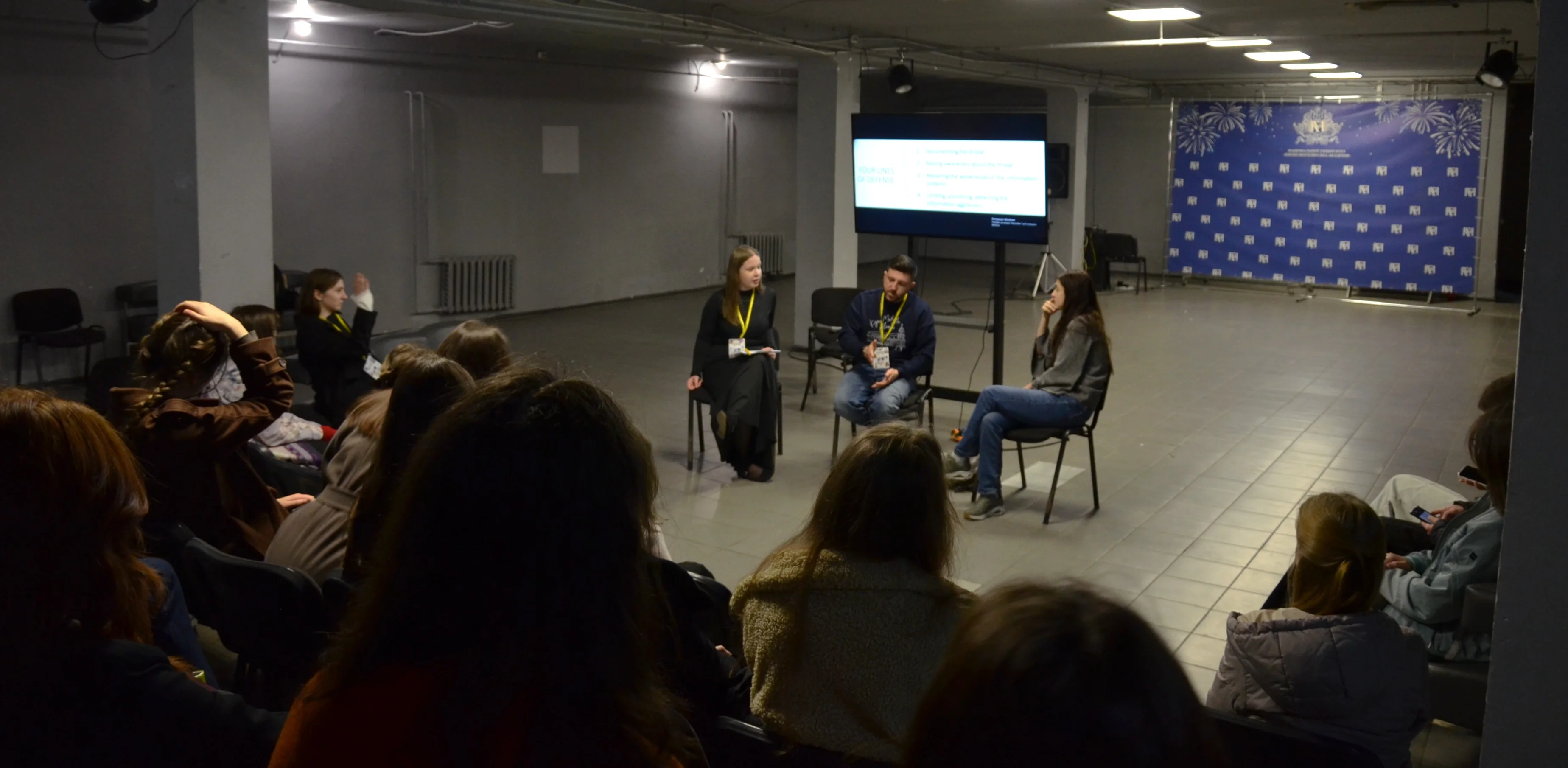
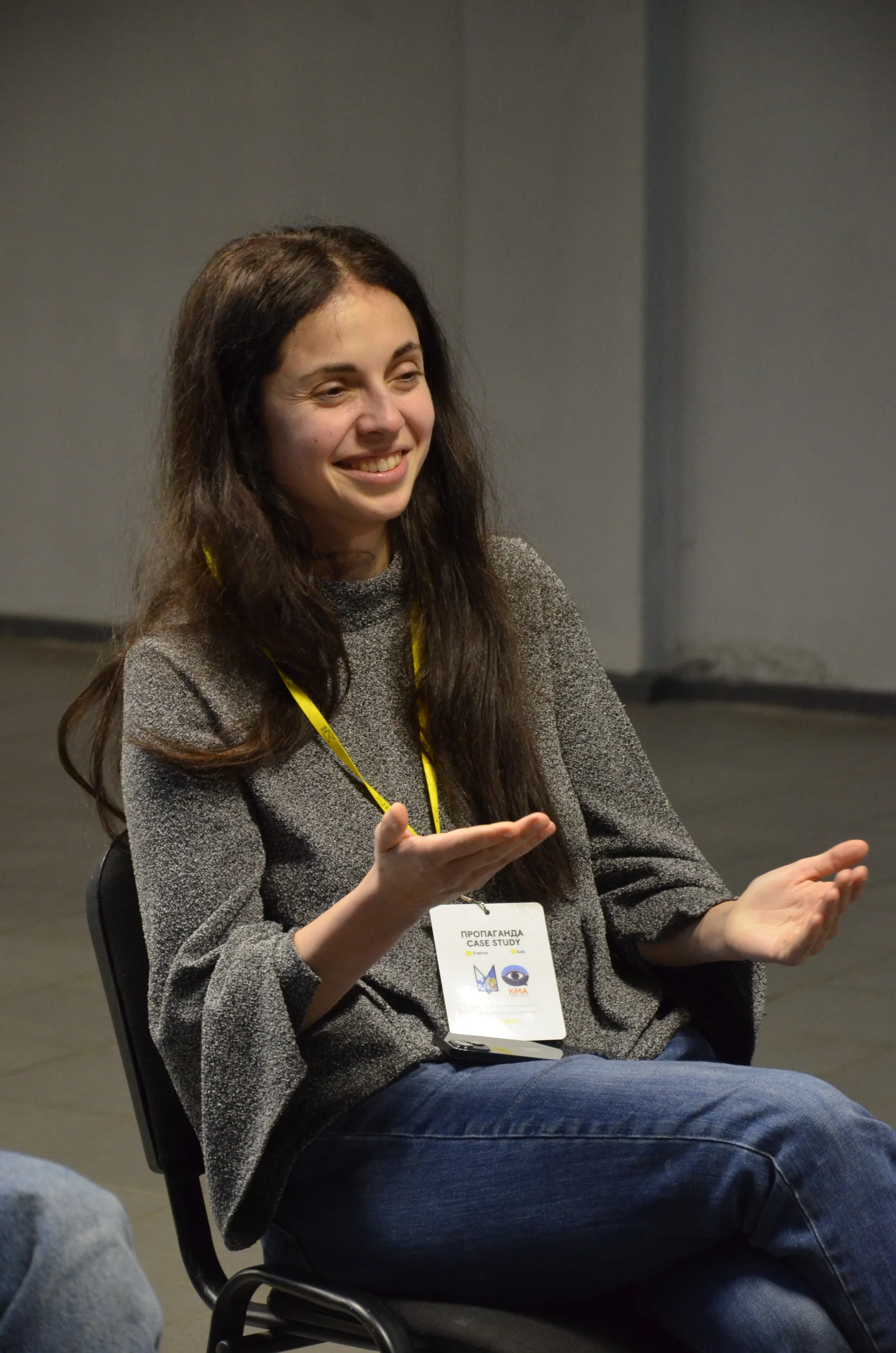
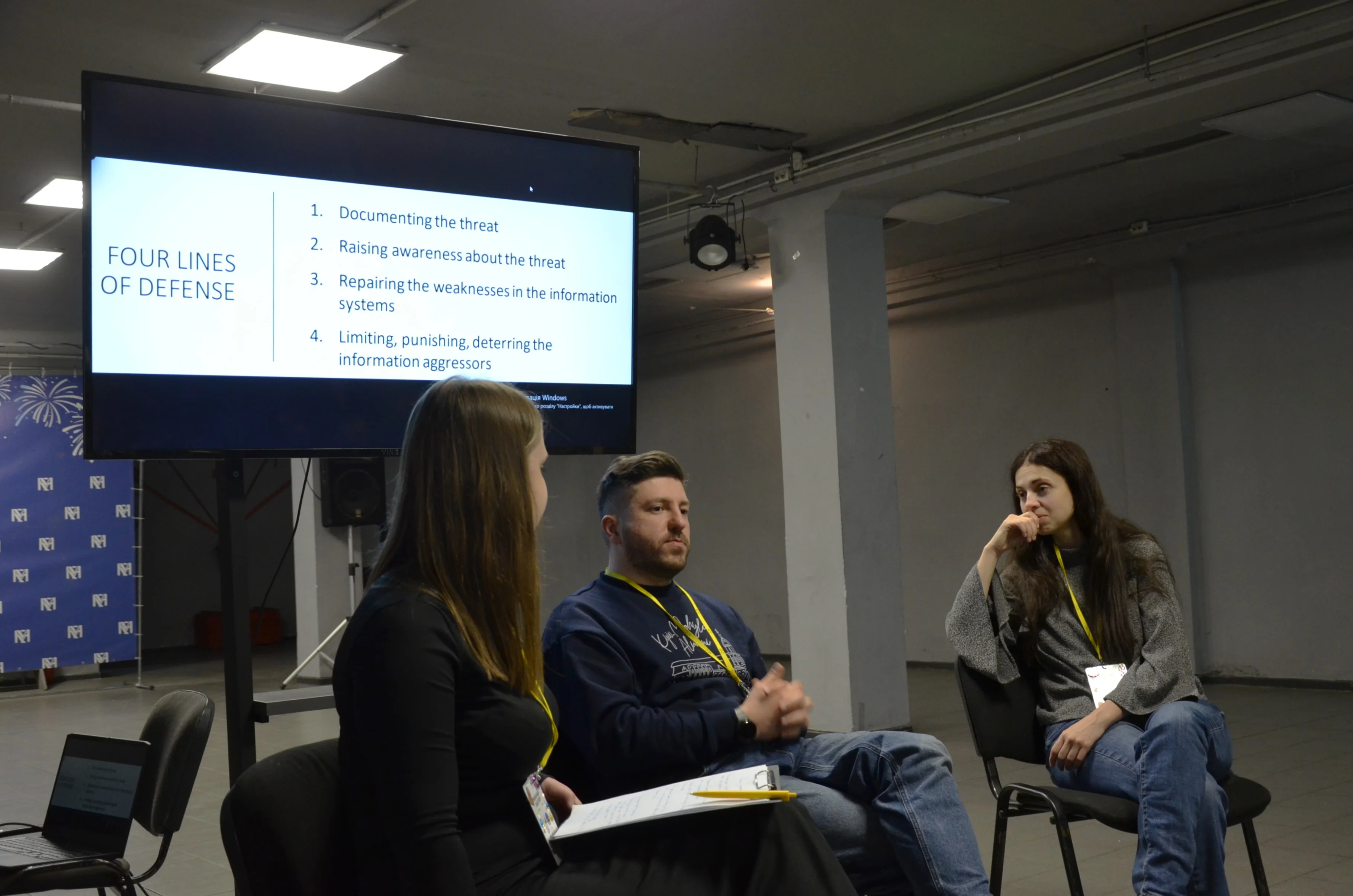
The Head of NGO LingvaLexa, international criminal lawyer Anna Vyshniakova, participated as a speaker in the event “Case Study: Propaganda,” organized by NGO "Ukrainian Students for Freedom" in cooperation with National University of Kyiv-Mohyla Academy.
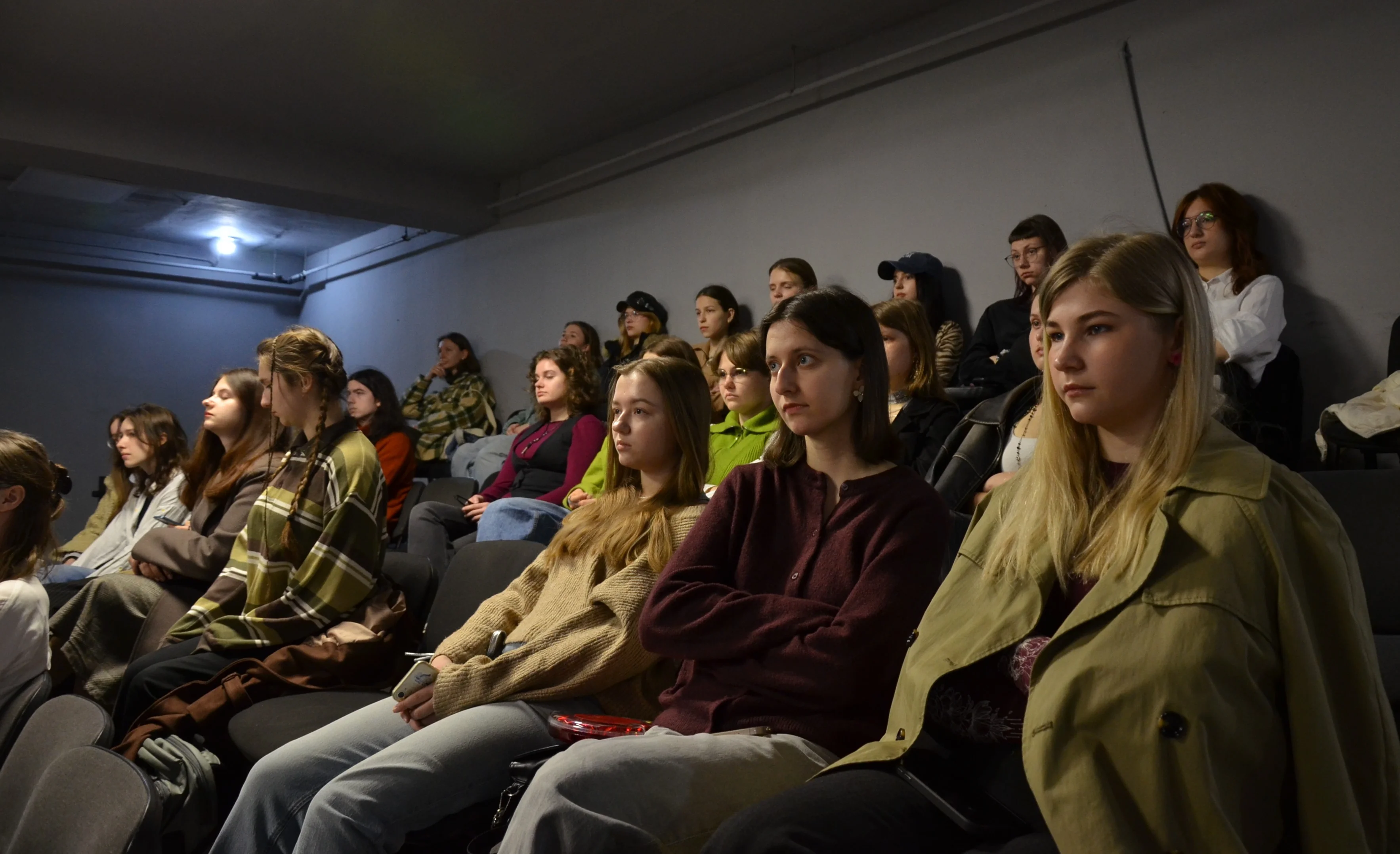
The event brought together experts and participants around a key question: how propaganda functions in the context of information warfare and why it remains effective. The discussion emphasized that modern propaganda has long transcended traditional media. It is present in digital feeds, interpersonal communication, and even in established societal narratives that are often perceived as “self-evident.”
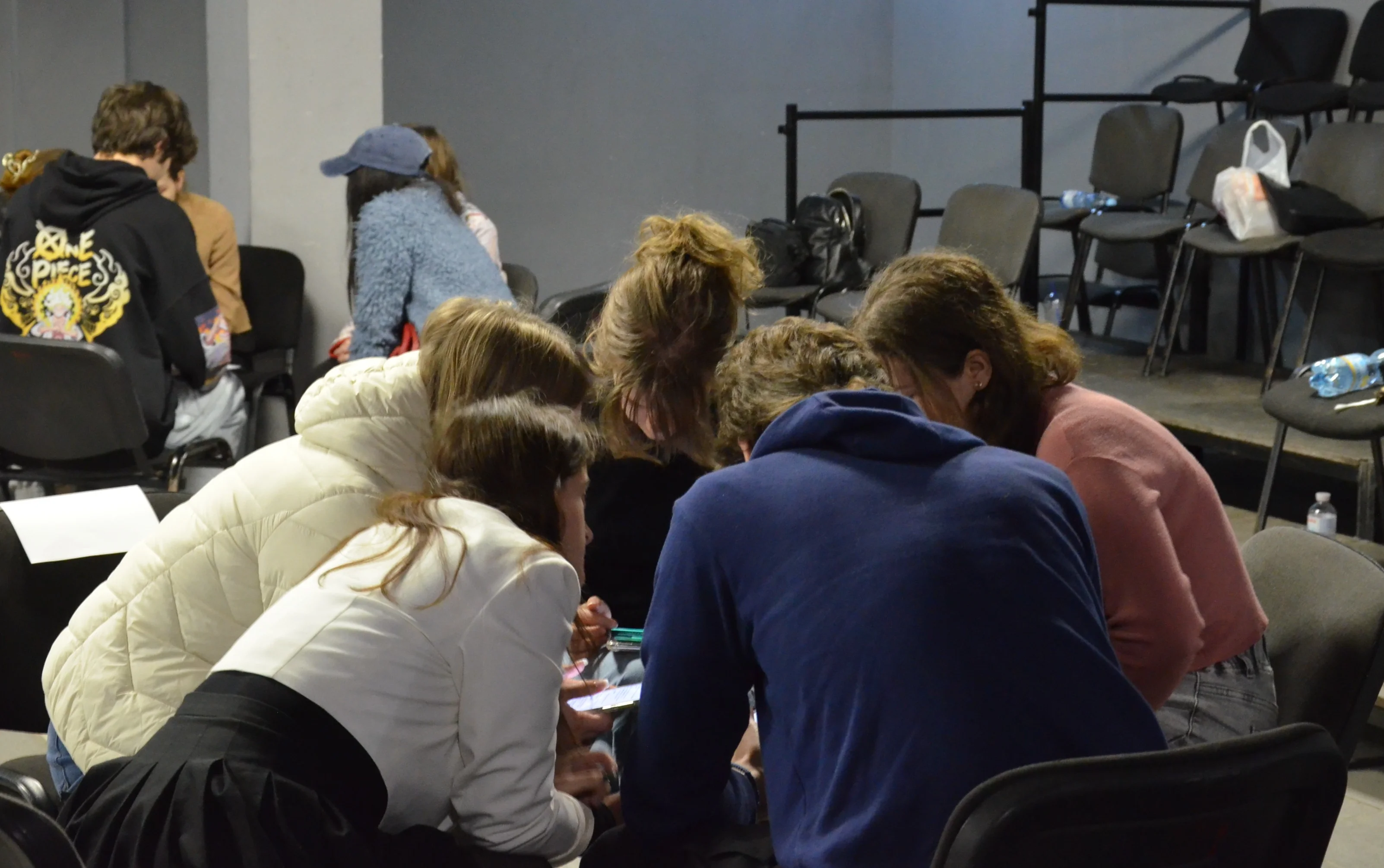
The program included a lecture component, a panel discussion, and practical case-based exercises. During the discussion, including contributions from political scientist Tymur Demchuk, several applied issues were addressed:
- distinguishing propaganda from disinformation and manipulation;
- the limitations of media literacy as a tool for countering information influence;
- finding a balance between countering propaganda effectively and safeguarding freedom of expression.
Particular attention was paid to the role of propaganda as a factor contributing to the commission of international crimes. In her remarks, Anna Vyshniakova emphasized the need to approach propaganda not merely as an informational phenomenon, but as part of broader processes that may shape intent, legitimize violence, and facilitate mobilization for unlawful acts. Examples were provided of the dissemination of propagandistic narratives through cultural products, including music, as well as their impact in different regions of the world, particularly in parts of Africa.
The issues discussed during the event directly correlate with the ongoing work of NGO LingvaLexa. The organization is currently implementing an advocacy campaign aimed at ensuring accountability for crimes related to war propaganda. This initiative is supported by the Askold and Dir Fund, administered by ISAR Ednannia within the framework of the project “Strong Civil Society of Ukraine — a Driver of Reforms and Democracy,” funded by Norway and Sweden.
For the LingvaLexa team, work on propaganda is systemic and encompasses research, analytical work, legal qualification, and international advocacy. This approach enables the organization to address propaganda not in isolation, but as part of complex processes that have a direct impact on the commission of international crimes and require proper legal assessment.
LingvaLexa expresses its gratitude to the organizers for providing a platform for expert dialogue and for the opportunity to contribute to the discussion of one of the key issues in contemporary security and international law.