LingvaLexa's Research Featured in Foreign Policy: "The War Propaganda Fuels"
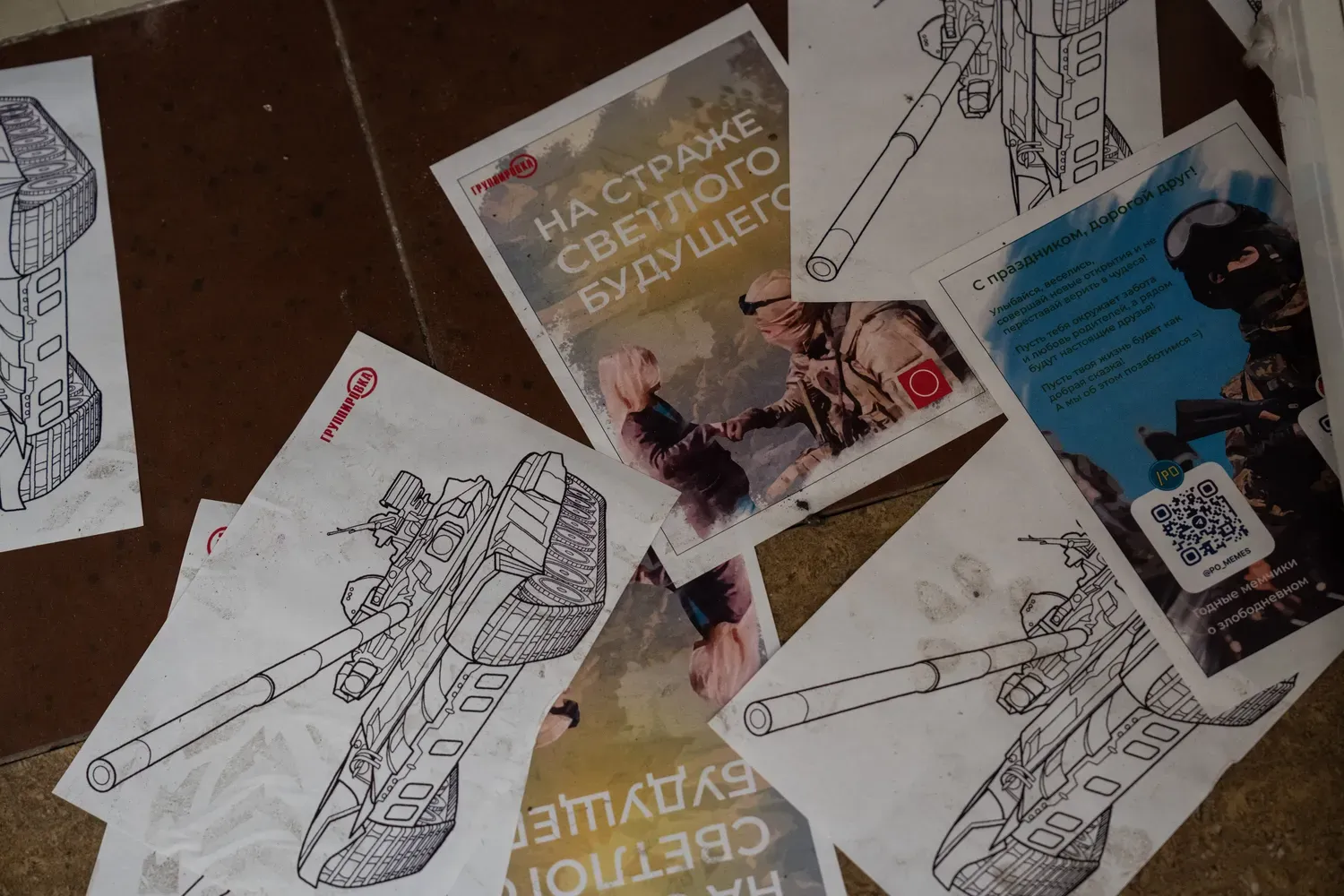
Foreign Policy has published "The War Propaganda Fuels," an article built around LingvaLexa's research into how belief in Kremlin propaganda shapes the attitudes and conduct of Russian soldiers fighting in Ukraine.
The article draws on LingvaLexa's survey of 1,060 Russian prisoners of war held in Ukrainian camps, conducted with the support of the Office of the Prosecutor General of Ukraine, which examined how belief in 18 core Kremlin propaganda narratives correlates with dehumanisation of Ukrainians, perceptions of the war's legitimacy, and willingness to continue fighting.
Among the findings the article highlights: 76% of respondents endorsed at least one propaganda narrative tested, and those with the strongest beliefs were six times more likely to regard the invasion as fully legitimate and considerably more likely to view Ukrainians as less than fully human.
Beyond presenting this data, the article situates it within the legal history of accountability for propaganda-facilitated atrocities – from the Nuremberg Trials to the International Criminal Tribunal for Rwanda – and argues that the findings can help close a persistent evidentiary gap between propaganda as speech and propaganda as a functional contribution to international crimes, including the crime of aggression.
The article was co-authored by Anna Vyshniakova (Head of LingvaLexa) together with Tatiana Vorozhko and Peter Pomerantsev (The Reckoning Project).
This publication reflects LingvaLexa's ongoing work at the intersection of forensic linguistics, empirical research, and international criminal law, aimed at strengthening the evidentiary and legal frameworks for holding propagandists accountable.
Read the full article in Foreign Policy: <u>https://foreignpolicy.com/2026/07/08/propaganda-sustains-russians-fighting-in-ukraine/</u>